
Record Retention and Disposal Best Practices
Summer is the perfect time to sort, shred, and simplify those piles of old paperwork. (As an added bonus, campfire season makes safe disposal even more satisfying!) From tax filings to bills, banking statements to old pay stubs, records have a lifespan and many of us hold on to them for far longer than necessary. Check out our tips on what records to keep and what to let go, PLUS, their proper management and disposal.
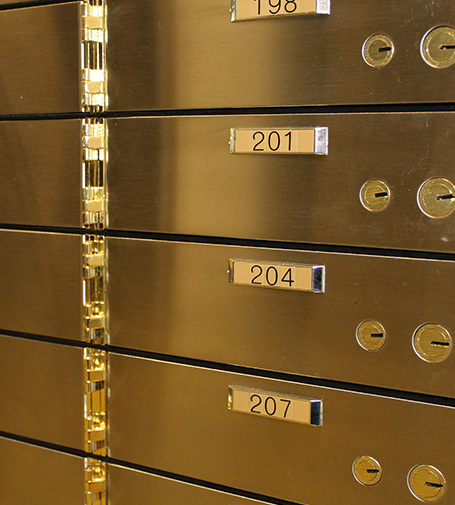
Keep Forever
Some documents should indeed be kept forever. These records need to be stored securely, such as in a locked safe or a safety deposit box at your credit union or bank. (Midcoast FCU offers safe deposit box services in our Bath and Thomaston offices.)
- Birth certificates
- Social Security cards and ID cards
- Citizenship papers or passports
- Marriage or divorce decrees
- Death certificates of family members
- Retirement and pension plans
- Copies of trusts, wills, and powers of attorney
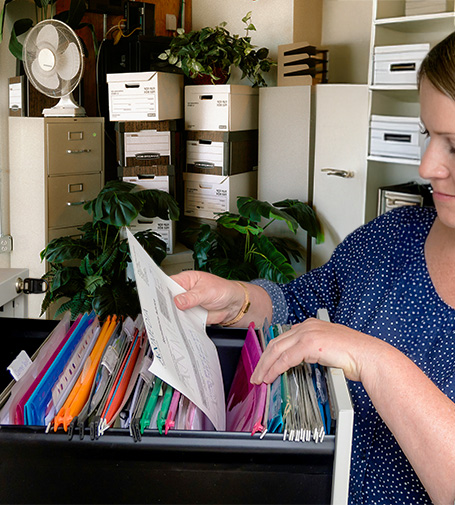
Keep for 7 Years
This category covers documents that support your tax return, along with other supporting records. The commonly referenced “seven-year rule” isn’t chosen randomly, it’s based on how long the IRS is allowed to audit past tax returns. For most cases, the IRS can audit a return for up to three years after it’s filed. That said, if 25% or more of gross income was excluded, that window of time extends to six years. For this reason, we generally recommend retaining tax documents for three to seven years.
- Medical records
- Records of paid-out loans
- Mortgage documents
- Records of sold investments
- Income tax returns
- Any paperwork that supports income or a deduction on your tax return
- Records of selling a house
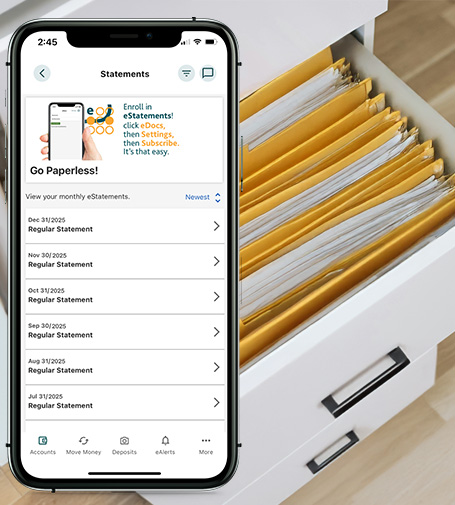
Keep For 1 Year
This category primarily includes monthly statements. A simple rule to follow is to keep statements for the current year and discard them once they’ve been reconciled with an annual statement. Documents used for tax purposes should be kept for three to seven years.
(Pro tip: Midcoast FCU offers eStatements. You can access up to 18 months of past statements anytime, safely, securely and for FREE through Digital Banking, completely paperless!)
- Bank and credit card statements
- Receipts for large purchases
- Pay stubs
- Canceled checks
- Paid medical bills

Keep While You Own
Keep records in this category for the duration of asset ownership. If you’ve made upgrades or improvements to your home or vehicle, store those records with your title and loan documents. For major purchases, keep everything in one place, just in case you need to file a warranty claim. (Pro tip: Attach the receipt to the warranty or user manual to help ensure you don’t lose them.)
- Insurance documents
- Warranty information
- House and mortgage documents
- Vehicle titles and loan documents
- Pension records & retirement plans
Keep 30 Days or Less
You can throw away ATM slips once you’ve checked them against your monthly bank statement. Utility and phone bills can be discarded once they’re paid, unless they include tax deductible expenses.
- ATM receipts and deposit slips
- Utility and phone bills

Proper Disposal
While there are a variety of ways to discard personal documents, not all methods offer the same level of protection. To ensure your information stays secure, here’s what to do, and what not to do, when disposing of sensitive documents.
- At Home Shredding – If you choose to shred your documents at home, keep in mind that not all shredders are created equal. Basic strip-cut shredders slice paper into long, uniform strips that can potentially be reconstructed. It’s best to opt for a cross-cut shredder, which chops documents into small confetti-like pieces, making reconstruction close to impossible. (Pro tip: Mix shredded paper with other trash or recycling so it’s not all in one bag.)
- Community Shredding Events – If you don’t own a shredder, you can either look for a community shredding event focused on secure document disposal, or you can use a professional document destruction service. Many UPS and FedEx Store locations offer a shredding service, so check your local store’s website for availability and details. (Pro tip: For businesses, professional shredding companies can provide a Certificate of Destruction for your records.)
- Burning – This method is effective for complete destruction, however, burning requirements can vary by county or town and are also contingent on the “Fire Danger Rating” issued by the Maine Forest Service. (The color-coded rating system used to alert residents to current forest fire risks and guide safe burning practices.) In general, Maine allows for a small, controlled fire in a pit or burn barrel without a permit. We recommend checking your town’s website or contacting your local fire department for specific details. (Pro tip: Stir ashes afterward to ensure nothing readable remains.)
Improper Disposal
- Avoid placing documents with financial or personal information in your regular trash, especially if you use curbside pickup. Never throw away whole records in bins left at the curb. These are easily accessible, making sensitive information vulnerable to theft or misuse.
- Don’t throw out entire envelopes, folders, or mail without checking the contents. Even junk mail can contain identifying details, so taking a second to examine it can help protect your personal information. (Pro tip: When in doubt, shred it. If you’re unsure whether something contains personal information, it’s best to destroy it than risk it.)
- Recycling sensitive documents isn’t a better alternative to throwing them into the trash. Before recycled paper is processed, it’s often manually sorted or left in a shared collection area, making it vulnerable to access. If you’re going to recycle your sensitive documents, be sure to shred them first. Recycling protects the environment, but it doesn’t protect your private information.
*If you suspect someone took sensitive documents from your trash, or your mailbox, you should file a report with your local police department, notify your financial institution that your private information has been compromised, and be sure to review your account activity carefully. Any unauthorized transactions should be reported to your financial institution immediately.
If you find that you are a victim of identity theft or fraud, report it to your local police department, financial institution(s), and the Federal Trade Commission at IdentityTheft.gov or ReportFraud.ftc.gov.